Islam - The Religion of God’s Prophets
Fundamental Articles of Faith
- Details
- Category: Islamic Faith
- Hits: 23324
The true, faithful Muslim believes in the following principal articles of faith:
1. He believes in One God, Supreme and Eternal, Infinite and Mighty, Merciful and Compassionate, Creator and Provider. This belief, in order to be effective, requires complete trust and hope in God, submission to His Will and reliance on His aid. It secures man's dignity and saves him from fear and despair, from guilt and confusion. The reader is invited to see the meaning of Islam as explained above.
1 - Concern and Request
- Details
- Category: Brotherly
- Hits: 6799
السلام عليكم و رحمة الله
A new person came to the Masjid. Welcome with smiles and greetings! Then.
Someone said to me that you know he was used to go to another Masjid but …
Mary Gives Birth to Jesus
- Details
- Category: Prophet Jesus
- Hits: 11469
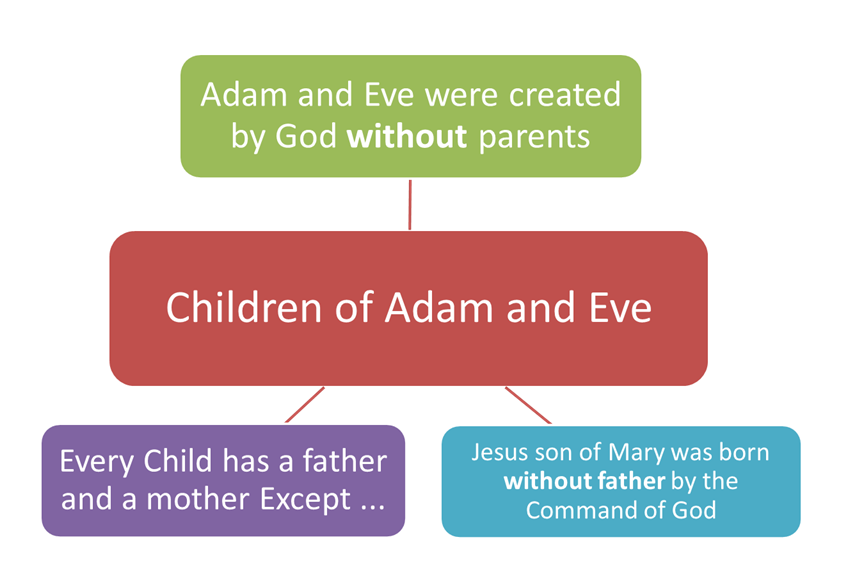
An Angel Visits Mary
And mention, in the Book the story of Mary, when she withdrew from her family to a place toward the east. And she took, in seclusion from them, a screen. Then We sent to her Our Angel, and he represented himself to her as a well-proportioned man.
She said,
"Indeed, I seek refuge in the Most Merciful from you, so leave me, if you should be fearing of God."
The Angel said,
"I am only the messenger of your Lord to give you [news of] a pure boy."
She said,
"How can I have a boy while no man has touched me and I have not been unchaste?"
He said,
"Thus it will be; your Lord says, 'It is easy for Me, and We will make him a sign to the people and a mercy from Us. And it is a matter already decreed.' "
Mary Gets Pregnant
So, she conceived him, and she withdrew with him to a remote place. And the pains of childbirth drove her to the trunk of a palm tree. She said,
"Oh, I wish I had died before this and was in oblivion, forgotten."